|
|
Last Modified on May 12, 2026
Pest control fraud occurs when a termite company knowingly misrepresents the work it performed — falsifying inspection reports, claiming to have applied treatments it never completed, or charging for services it never delivered. Homeowners in the termite-prone Southeast are frequent targets, and recognizing the warning signs is the first step toward holding a fraudulent contractor accountable.
Key Takeaways – Fraud requires a knowing misrepresentation; a company that simply fails to perform has breached its bond, while one that lies about what it did has committed fraud. – The most common forms are reporting fraud (false inspection reports), treatment fraud (phantom or misrepresented treatments), hidden fees, and unremedied shoddy workmanship. – Red flags include high-pressure sales tactics, cash-only demands, missing credentials, and missing documentation like a termite letter. – The average termite damage repair costs about $3,000 — fraud can multiply that figure.
What Is Reporting Fraud?
Reporting fraud occurs when a company you hired to inspect your home knowingly provides false information on its final report, leaving you without knowledge of your home’s true condition.
There’s an important distinction here: if a company signed a bond requiring annual inspections and remediation and simply fails to follow through, that’s a breach of your bond. But if the company claims it performed inspections or treatments it never actually completed — or falsifies what it found — that’s fraud.
What Is Treatment Fraud?
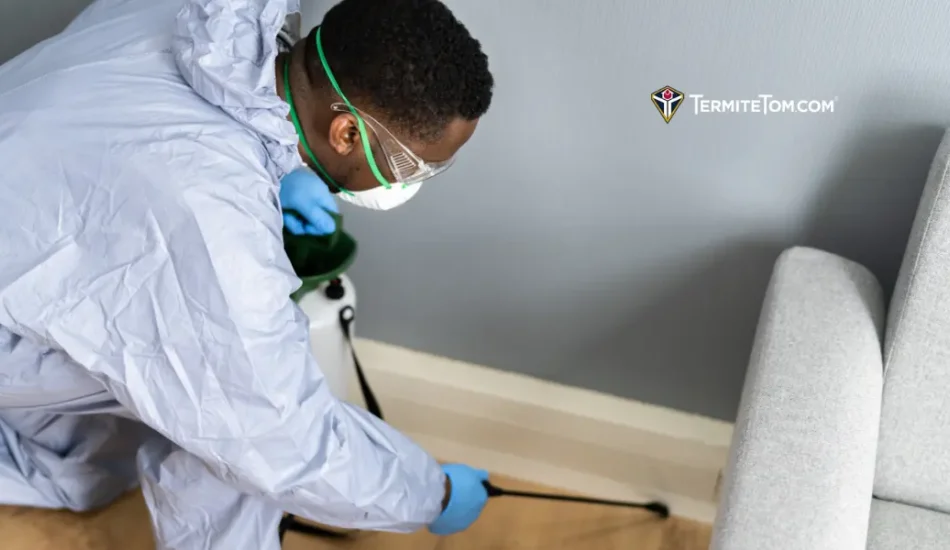
Treatment fraud — also called misrepresentation of services — occurs when a termite company tells a homeowner it treated the entire property when it did not. Claiming to use advanced treatment products while actually applying cheaper, ineffective ones is also a form of treatment fraud.
Are Hidden Fees a Form of Fraud?
They can be. Excessive, undisclosed charges added after an initial estimate can constitute fraud, leaving homeowners with bills far higher than quoted. Given that termite damage remediation already averages about $3,000 per home, hidden fees compound an already painful expense.
What About Shoddy Workmanship?
Shoddy workmanship — subpar treatments or incomplete service — is unfortunately common in the termite control industry, and it causes infestations to persist or return shortly after treatment. Legitimate companies honor the re-treatment provisions in their termite bonds; bad actors refuse to take responsibility.
What Are the Warning Signs of a Fraudulent Termite Contractor?
Watch for these red flags before — and after — you sign:
- Free inspections. Not all free inspections are scams, but some companies use them to convince homeowners of problems that don’t exist or to sell unnecessary treatments.
- Unrealistic offers. Rates far below market average can signal a company that will deliver ineffective treatments — or none at all.
- High-pressure tactics. Scammers manufacture urgency, claiming your home is at immediate risk to coerce you into treatments you don’t need.
- Unsolicited approaches. Be careful with unsolicited door-to-door pitches, especially from companies you can’t independently verify. Many legitimate pest control companies do market door to door, but scammers favor the approach because it pressures homeowners to decide on the spot. Never sign at the door without verifying the company’s license and reviews.
- Lack of credentials. Legitimate professionals readily provide identification, proof of licensure, and certifications. Scammers hesitate.
- No online presence. Real companies have websites, reviews, and a digital footprint. Scammers often have none.
- Immediate payment demands. Pressure to pay in full, up front — especially in cash — is a classic fraud signal. Legitimate companies provide written estimates and sign termite bonds.
- Missing documentation. After an inspection you should receive a termite letter — a written report identifying termite activity, recommended treatments, and necessary repairs. Scammers skip the paperwork.
If you’ve fallen prey to a termite scam, work with a termite lawyer who understands fraud claims and how to litigate these complex cases.
Termite Tom & Campbell Law Pc
You’re In Good Hands
We focus on termite cases every single day. Proven Experience Matters.
FAQs
How do I know if a pest control company is legit?
Legitimate pest control companies are licensed, insured, and certified by the state’s Department of Agriculture or pesticide regulatory agency. They provide written estimates, explain their methods, and sign termite bonds covering their work for a specific period. Be wary of companies that demand up-front, cash-only payment or pressure you to sign on the spot.
What are the signs of a termite infestation?
Signs vary by species. Subterranean termites leave mud tubes on foundations; drywood termites hollow out wood. Also watch for buckling floorboards, bubbling paint, wallpaper that looks water-damaged, discarded wings, and clicking sounds inside walls.
What are the four P’s of fraud?
The four P’s of fraud are pretense, problem, pressure, and pay: scammers pretend to represent a trusted company, claim you have a termite problem, pressure you to act immediately, and demand untraceable cash payment. Legitimate companies sign termite bonds, provide proof of licensure and insurance, and accept normal payment methods.
What are common warning signs of fraud?
According to the Consumer Financial Protection Bureau, common warning signs include high-pressure tactics demanding immediate action, unconventional payment requests, and unsolicited contact. An unexpected offer that seems too good to be true and lacks documentation is likely fraudulent.
Hire a Fraud Lawyer Today
If you paid a fraudulent termite treatment and repair company, build your case right away with a lawyer who handles these claims. The team at Termite Tom has been taking on illegitimate contractors — and legitimate companies offering fraudulent services — for years, including many high-profile pest control cases. Contact us to schedule an initial consultation regarding your termite fraud case today.